

University of Pennsylvania
PhD in Human Development and Quantitative Methods
Dissertation on poverty and child development in rural Côte d'Ivoire
Quantitative Researcher
I study how poverty, education, health and social environments shape human development, using data science and measurement to answer questions that matter for policy and practice.
University of Pennsylvania
Dissertation on poverty and child development in rural Côte d'Ivoire

The Wharton School
Causal inference, machine learning and measurement

Research in practice
USA, India, Côte d'Ivoire, Uruguay and Pacific Island systems
Education
PhD, Human Development and Quantitative Methods
University of Pennsylvania, Graduate School of Education
MA, Statistics and Data Science
The Wharton School, University of Pennsylvania
M.S.Ed., International Education Development
University of Pennsylvania
BA, Economics and English
St. Xavier's College, Mumbai
About
I am a quantitative researcher interested in understanding how poverty, education, health and social environments shape human development, and in using data to answer questions that matter for policy and practice.
I hold a PhD in Human Development and Quantitative Methods from the University of Pennsylvania and an MA in Statistics and Data Science from the Wharton School. My work combines data science with substantive expertise in education and child development across several cultural contexts, including the USA, India, Mexico, Côte d'Ivoire and Uruguay.
That research has taken me from studying education and child development in Côte d'Ivoire and India, to analyzing education systems across Pacific Island countries with UNICEF, to evaluating large scale education initiatives in Philadelphia. I have worked across academia, international organizations, government affiliated research and applied policy settings, and my work has been published in journals spanning education, developmental science and public health.
At heart, I am interested in using sophisticated methods to make complicated human questions a little more understandable, and in producing research that is rigorous, useful and grounded in the lives and contexts behind the data.
Causal inference, machine learning and measurement design applied to messy social data.
Learning, parenting and child development studied inside real school and household systems.
Fieldwork and analysis across the USA, India, Côte d'Ivoire, Uruguay and Pacific Island countries.
Statistics instruction and research written so practitioners can actually use it.
Research & Professional Work
Randomized trials, measurement work, education systems analysis and evaluation, from rural Côte d'Ivoire and urban India to Pacific Island systems and the Philadelphia School District. Select an entry for methods, role and outputs.
Methods & Expertise
Every figure below is counted from published work, reports and project records rather than estimated.
49
Countries with foundational learning estimates
UNICEF DAPM
140
Villages in the neighborhood quality index work
Côte d'Ivoire
8
Peer reviewed publications and reports
2019 to 2026
5
Graduate and undergraduate courses taught
Penn GSE and World Teach
Research, evaluation and teaching engagements to date.
Peer reviewed articles and reports across three literatures.
01
Lead statistician on two large international trials, PI on a digital trial
02
Decomposing poverty and outcome prediction
03
Poverty metrics, neighborhood quality, learning inequality
04
EMIS, MICS, ArcGIS, school level benchmarking
05
Instrument design and field implementation
06
R, Python, STATA, MPlus, MATLAB, LaTeX
Experience
2025 to Present
CPRE, Consortium for Policy Research in Education, Philadelphia
Quantitative researcher on district partnerships, leading monitoring and evaluation for the Philadelphia Academy of School Leaders Program, The Academy at Penn, and the Ongoing Assessment Project.
2025
UNICEF Division of Data, Analytics, Planning and Monitoring
Benchmarked equity and resourcing across Pacific Island education systems and produced foundational learning estimates for 49 countries from population weighted national surveys.
2019 to 2025
University of Pennsylvania, Graduate School of Education and Wharton
Lead statistician on two large scale international randomized trials, principal investigator on a digital trial, and instructor across statistics and social science courses.
2022 to 2025
U.S. Department of Education, Institute of Education Sciences
Completed statistics training bootcamps and ongoing methods workshops alongside the doctoral programme.
2019
UNESCO IICBA, Addis Ababa
Co-led the Play and Resilience programme with the governments of Nigeria, Zimbabwe and South Africa, and co-authored the resulting practitioner toolkit.
2015 to 2018
World Teach in Hunan, China and SNEHA in Mumbai, India
Taught and developed curriculum for high school and undergraduate students in Hunan Province, after a year of household data collection and survey development with SNEHA.
EDUC 6662, Introductory Statistics for Education Research
Instructor · Fall 2025
EDUC 6462, Monitoring and Evaluation
Teaching Assistant · Fall 2024
EDUC 6689, Evaluation of Policies and Programs
Teaching Assistant · Fall 2024
EDUC 514, Basic Education in Developing Countries
Teaching Assistant · Fall 2020
Peer reviewer for Science Advances, the International Journal of Educational Development, Early Years and Child Development.
Writing
Shorter pieces on the decisions behind quantitative research, written for researchers, practitioners and anyone who has to act on the numbers.

Measurement · 6 min read
Asset indices, consumption measures and multidimensional indices rarely rank the same households in the same order. That disagreement is information, not noise.
Read the article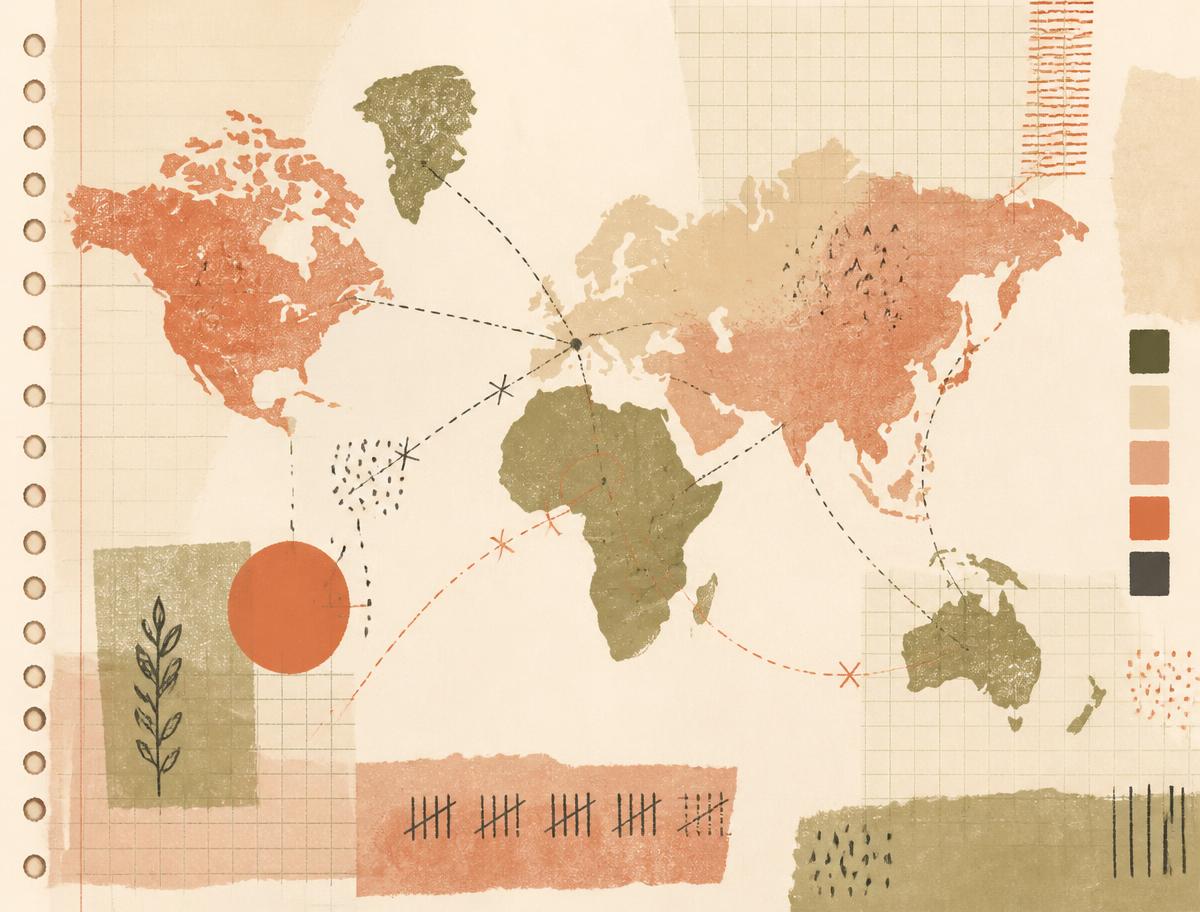
Practice · 7 min read
Survey instruments do not travel as cleanly as the analysis plan suggests. Some field notes on translation, trust, and what the data cannot record.
Read the article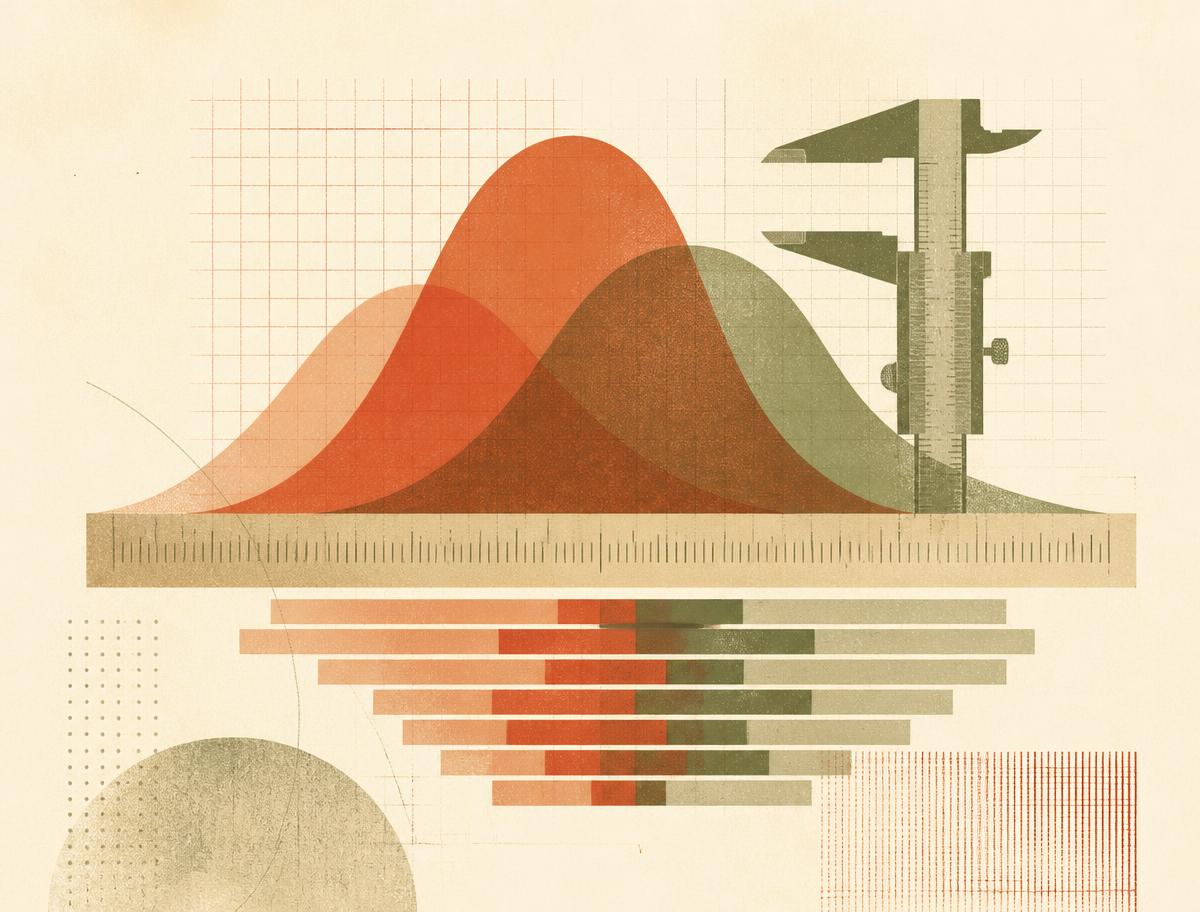
Policy · 5 min read
When an indicator becomes a target, its definition becomes a distribution of resources. Researchers should treat indicator design as a political act, carefully.
Read the articleOpen to new questions
Research collaborations, evaluation design, consulting, teaching and speaking. Bring the question and the constraints, and we can work out whether the data can answer it.
Start a conversationContact
Every message is read personally. A sentence or two about the context, the data you have and the decision you are trying to inform is enough to start.
Phone
+1 267 637 6242Based in
Philadelphia, PA. Working globally.